
Your Vendor Bench: Build a Real Estate Referral Network

Every real estate agent has lived this moment. A client calls, a little rattled, because something came up that has nothing to do with contracts or showings. The inspection turned up a cracked sewer line. The movers cancelled two days before closing. The appraisal is stuck because nobody can get a contractor out to fix a step before the appraiser comes back. In that exact moment, there are two kinds of agents. One says, let me look into it and call you back. The other already has a name and a number, and says it out loud before the client even finishes the sentence.
I want to be the second kind of agent. After 21 plus years in Central Ohio real estate, I can tell you the second kind of agent is not smarter, and she is not luckier. She just built something ahead of time. She built a bench.
I am borrowing that word from sports on purpose. A good coach never waits until the starting player gets hurt to figure out who plays next. The backup is already warmed up, already knows the plays, already trusts the coach enough to step onto the field with zero notice. Your vendor bench works the same way. It is the list of people you already trust, organized before you ever need them, so that when a client asks do you know anyone who can, you are never standing there with nothing to say.
Table of Contents
Why This Actually Matters
What Belongs On The Bench
Where Your AI Comes In
Making It Easy To Actually Find Someone In Ten Seconds
The Part Nobody Talks About
Building The Kind Of Trust That Compounds
FAQ
Why This Actually Matters
I used to think a vendor bench was a nice to have. A little black book, mostly for me. It took a few years of real estate to realize it is actually a client service tool, maybe one of the most valuable ones I have. Clients do not remember every email you send or every showing you schedule. They remember the time something went sideways and you handled it without missing a beat. They remember that you had an inspector who could squeeze them in the next morning, or a contractor who showed up on a Saturday, or a title company that actually picked up the phone.
That kind of trust becomes referrals. It becomes the client who tells their neighbor, call my realtor, she knows everyone. It becomes the reason people come back to you five years later when they are ready to move again. None of that happens because of a fancy marketing plan. It happens because you did not scramble when it mattered.
And scrambling is expensive. Every time you have to stop and think, who do I even call for this, you lose time, you lose a little bit of the client's confidence, and sometimes you lose the deal entirely because a delay stacked up at the worst moment. A vendor bench is not about being fancy. It is about never being caught without an answer.
What Belongs On The Bench
A real vendor bench covers more ground than most agents think about upfront. Here is where I tell people to start.
Inspectors, and more than one, because availability matters and you want options for different property types.
Contractors, broken down by specialty if you can. A general handyman is not the same as someone who can fix an electrical issue before closing.
Title companies, the ones who communicate clearly and do not let files sit.
A few great lenders my past clients have had success with, across a couple of different loan types, since not every buyer fits the same box.
Movers, because closing day stress is real, and a reliable mover is worth its weight in referrals alone.
Cleaning services, for both the seller who wants the house spotless for photos and the buyer who wants to move into a clean space.
Stagers, even if it is just one go to person you trust with an empty house.
That is seven categories, and if you are anything like me, you already know a few names in each one. The problem was never that I did not know good people. The problem was that all of it lived in my head, or scattered across old texts and business cards in a drawer, which is basically the same as not having it at all when you are standing in a driveway trying to remember a number.
Where Your AI Comes In
This is the part that changed things for me. I used to think building a real vendor resource guide meant an afternoon with a spreadsheet, typing out names and numbers and trying to remember which contractor did which job. Instead, I sat down with my AI and just talked it through, the same way I would explain it to a new assistant.
I told it plainly. Help me create a vendor resource guide for my real estate business. I want categories for inspectors, contractors, title companies, lenders, movers, cleaning services, and staging. I want it organized so I can find anyone in ten seconds, not five minutes of scrolling through old texts.
That is it. That is the whole ask. Your AI does not need a complicated prompt or special software knowledge from you. It needs the same thing a new assistant would need on day one, which is context about what you are actually trying to build and why. From there, it can lay out a clean system with each category, space for the vendor's name, phone number, what makes them worth calling, and a note field for anything else you want to remember, like the one who worked the flood job on Elm Street, or the only one who answers on weekends.
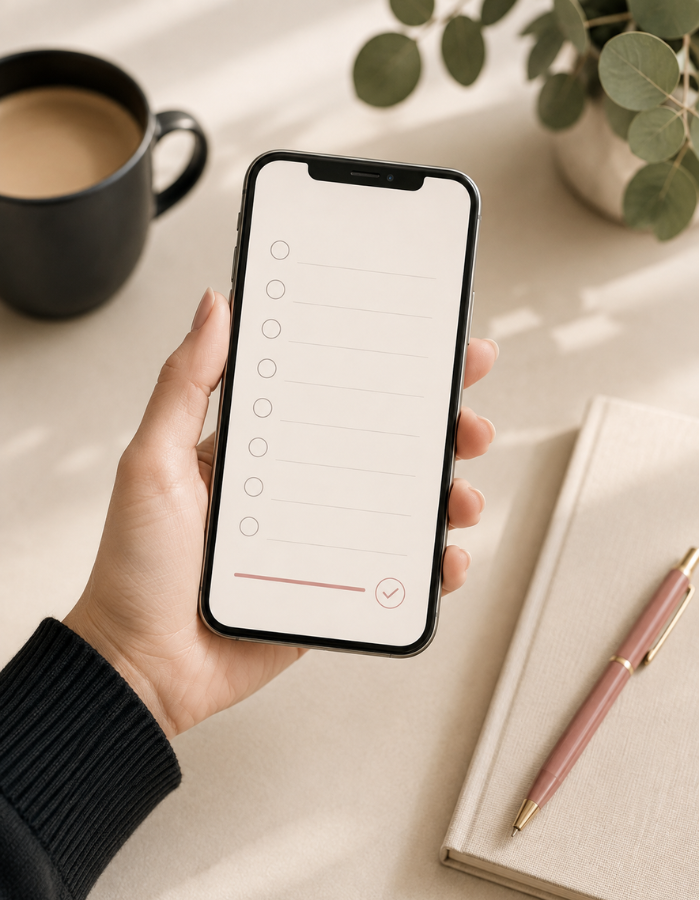
Once it is built, the system is only useful if you actually use it. I keep mine somewhere I can pull up on my phone in the driveway, because that is exactly where these calls happen. Not at my desk. Not when I am prepared. In the car, standing on a porch, mid conversation with a nervous client.
Making It Easy To Actually Find Someone In Ten Seconds
A vendor guide only works if it is faster than your memory. If you have to scroll through three tabs or squint at a spreadsheet you built eight months ago, you will default right back to guessing, or worse, searching for a stranger online while a client waits on the phone. A few small choices make a real difference.
Keep every category on its own clearly labeled section, so your eyes go straight to title companies without passing through movers first. Put the phone number right next to the name, not two columns over. Add one honest line about why that person made the list, since fast, answers texts, does great tile work tells you more in five seconds than a blank contact card ever will. And keep the whole thing somewhere you can open on your phone without a login screen slowing you down, because the moment you need it is never the moment you are sitting at your desk.
I also keep a short bench captain note at the top of each category, my one go to person if I only have time to make one call. Everyone else on the list is a good option. That one name is the person I trust with my own reputation on the line.
The Part Nobody Talks About
Here is something I do not always get right, and I will be honest about it. Building the bench is the easy part. Keeping it updated is where most agents, myself included, let it slip. A contractor retires. A title rep changes companies. The lender who used to call back in an hour now takes two days. If you build your vendor guide once and never touch it again, it slowly turns into a list of people who used to be reliable, which is almost worse than having no list at all, because you will not find out it is stale until you are relying on it in a pinch.
The fix is not complicated. Every few months, open the guide and ask yourself who you have actually used recently and whether they are still the answer. Your AI can help here too. You can say something like, review my vendor list and flag anyone I have not mentioned using in the last six months, so I remember to check in. It will not know who you have actually called, but it will help you build the habit of reviewing instead of just building once and forgetting.
Building The Kind Of Trust That Compounds
I sold my first house with a fax machine and a prayer, so believe me when I say none of this requires you to be naturally organized or naturally tech savvy. It requires deciding, once, that you want to be the agent who has an answer instead of the agent who has to go find one. Everything after that is just a system doing the remembering for you.
Your vendor bench is your referral engine. The stronger it is, the faster you close, and the more your clients trust you with the next thing, and the next person they know who is buying or selling. That is not a small thing. After enough years in this business, I have come to believe it might be one of the most underrated tools any of us have.
If you want to build yours the same way I built mine, using your AI as the tool that turns scattered names into an actual system, that is exactly what we walked through in this week's Wednesday class. And if you are already inside Active Membership, the full vendor bench system, prompts included, is waiting for you there.
FAQ
Do I need all seven vendor categories before this is worth building?
No. Start with whatever categories you use most, inspectors and contractors are usually a good place to begin. You can add the rest as you go.
What if I do not have seven people in every category yet?
That is fine. List whoever you do trust right now, even if it is just one name per category. The system grows as your relationships do.
How is this different from just keeping contacts in my phone?
Your phone holds a name and a number. A vendor bench holds a reason you trust that person and a note on what makes them worth calling, so you are not just guessing when you scroll past three inspectors.
How often should I actually update it?
Every few months is plenty. Open it, ask yourself who you have actually used recently, and swap out anyone who has gone quiet or changed jobs.
Do I need special software to build this?
No. You can build the whole thing by talking it through with your AI the same way you would explain it to a new assistant, then keep it somewhere you can open on your phone.
What is the one thing that makes a vendor bench actually useful in the moment?
Speed. If you cannot find the name in ten seconds while standing in a driveway, it is not doing its job yet, no matter how complete the list is.
Related Reading and Where to Go Next
Join the Conversation: Come sit in on my free Wednesday Zoom class, live at 10AM EST. We build systems like this one together, in real time. Registration: todaysorganizedagent.com/free-training